Spring may seem just around the corner, but 2026 still has plenty of cold weather in store. It is the perfect time to take advantage of end-of-season sales and invest in a high-quality base layer that will keep you warm for many winters to come.
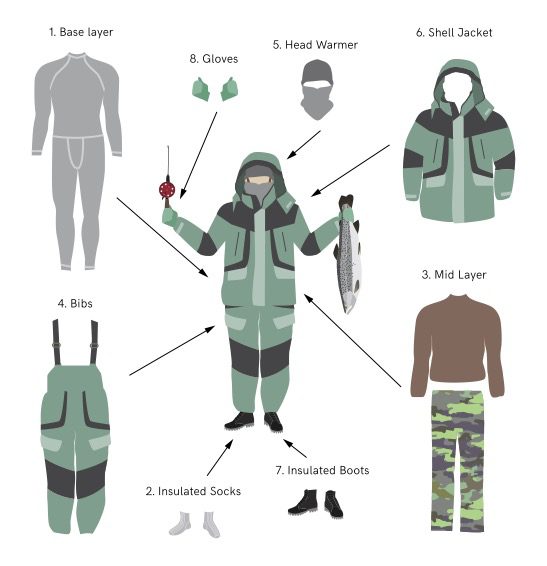
Cover Your Bases
Hidden beneath lofty mid-layers and rugged jackets, the right base layer is essential for staying dry and warm in cold weather, especially during high-intensity activity. Many outdoor novices make the mistake of choosing a cotton T-shirt as their closest-to-skin layer, but, perhaps counterintuitively, it is one of the poorest options. Absorbent and slow to dry, cotton will leave you both sweaty and cold. Instead, a synthetic or wool base layer provides optimal warmth and moisture-wicking, becoming the backbone of any cold-weather layering system.
How to Choose the Perfect Base Layer
Thanks to its incredibly fine, soft fibers, merino wool is widely regarded as the best natural material for high-performance base layers. It’s excellent at wicking moisture and naturally antibacterial, so it stays odor-free even after many hours of sweating. The downside is that it dries slowly and isn’t as durable as some synthetic or blended materials.
Blended or fully synthetic base layers are generally more affordable than wool and can outperform them when it comes to moisture-wicking. The key is matching the right fabric to your activity: for hitting the slopes and sitting on chair lifts, a wool base layer offers maximum warmth. For more intense activities like Nordic skiing or winter climbing, a synthetic or blended base layer will do better at wicking away excess moisture, keeping you dry and comfortable.
While wool is naturally antibacterial and stays relatively fresh even when you sweat, many synthetic base layers are also designed to resist odors. In addition, blends of wool and synthetic fibers tend to dry faster and are more durable, standing up to frequent washing and less careful handling.
The Art of Layering
The purpose of layering correctly for cold-weather outdoor activities is to create a system that provides appropriate insulation while allowing body moisture to be wicked away and evaporate. Most of the warmth typically comes from a lofty mid-layer, such as a sweater or fleece, while the base layer’s primary role is to keep you dry. (Of course, a heavier base layer can contribute additional warmth.)
It’s important to remember that base and mid-layers are neither waterproof nor windproof. To protect against rain and wind, the system must be completed with an appropriate outer shell, such as a windbreaker or a waterproof hardshell.
The Best Base Layers for Winter
Ideal for the coldest days of the year, this 100% merino turtleneck Icebreaker long sleeve has comfortable flatlock seams and gusseted underarms. To stay extra toasty, pair a merino top with merino leggings. To extend the life of your merino base layers, wash them in cold water, skip the fabric softener, and line-dry in the shade.
For warmer days, or for high-intensity activities when you expect to sweat, a blended or entirely synthetic base layer will be the right choice. The line of Patagonia’s Capilene base layers offers different fabric weights and different cuts to suit any outdoor pursuit. Entirely synthetic, the Capilene base layers are fast drying and easy to care for.
For the best of two worlds, choose a blend of 58 percent merino with technical synthetic fibres: Smartwool’s top and bottom base layers are not only extremely breathable but also entirely seamless.
Key Takeaways
To choose the right winter base layer, consider:
- Fabric properties (synthetic, wool, or blends)
- Your entire layering system — what you’re pairing your base layer with in terms of mid-layers and outer shells
- Activity level: how intensely you’ll be moving and how much you expect to perspire
- Comfort and fit: since it sits directly against your skin, pay attention to cut, seams, and sizing
- Care instructions: following the care guide ensures that your base layer keep their properties and last for many winter seasons to come
